Update to MDXS website in 2026
Welcome to the modernized MDXS website, built for speed, reliability, and security.
Read more »Welcome to the MDXS blog. Here you will find updates on cloud architectures, mobile technologies, and planning systems.
Welcome to the modernized MDXS website, built for speed, reliability, and security.
Read more »I’ve passed the Professional Scrum Master I (PSM I) assessment. Which doesn’t mean that I started playing rugby again (yes, again… I had to learn playing rugby during my study at Nyenrode), but this is about Scrum as a software development framework. A way for teams to work together to develop a (software) product.
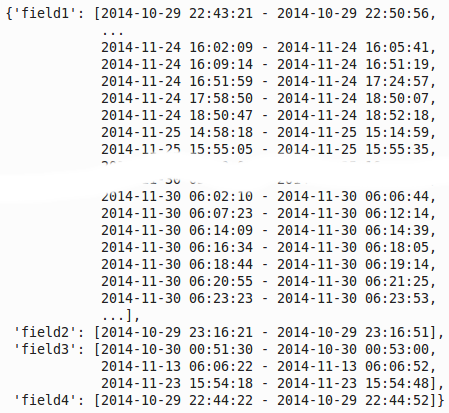
With the ThingSpeak API you can also download the collected data for further processing. I’ve used this to extract timeline data; mainly for visualization purposes. Though it would also allow for storing (summary) data into a database of sorts, or perhaps even into another channel.
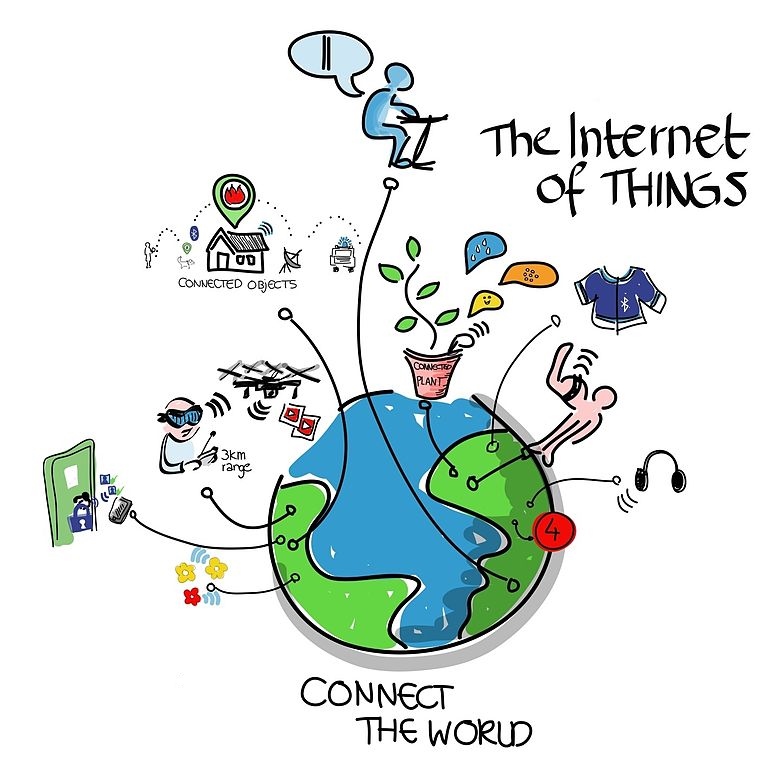
In the Internet of Things (IoT), the things can be many different devices; typically based on uniquely identifiable embedded computers/processors that are not directly operated by people. Interconnected over the existing internet infrastructure, these things will push automation further in almost every domain. Communicating with people and amongst each other; they will aid monitoring and decision making processes. When possible/desirable they may even make autonomous decisions based on predetermined rules or even self learning algorithms.
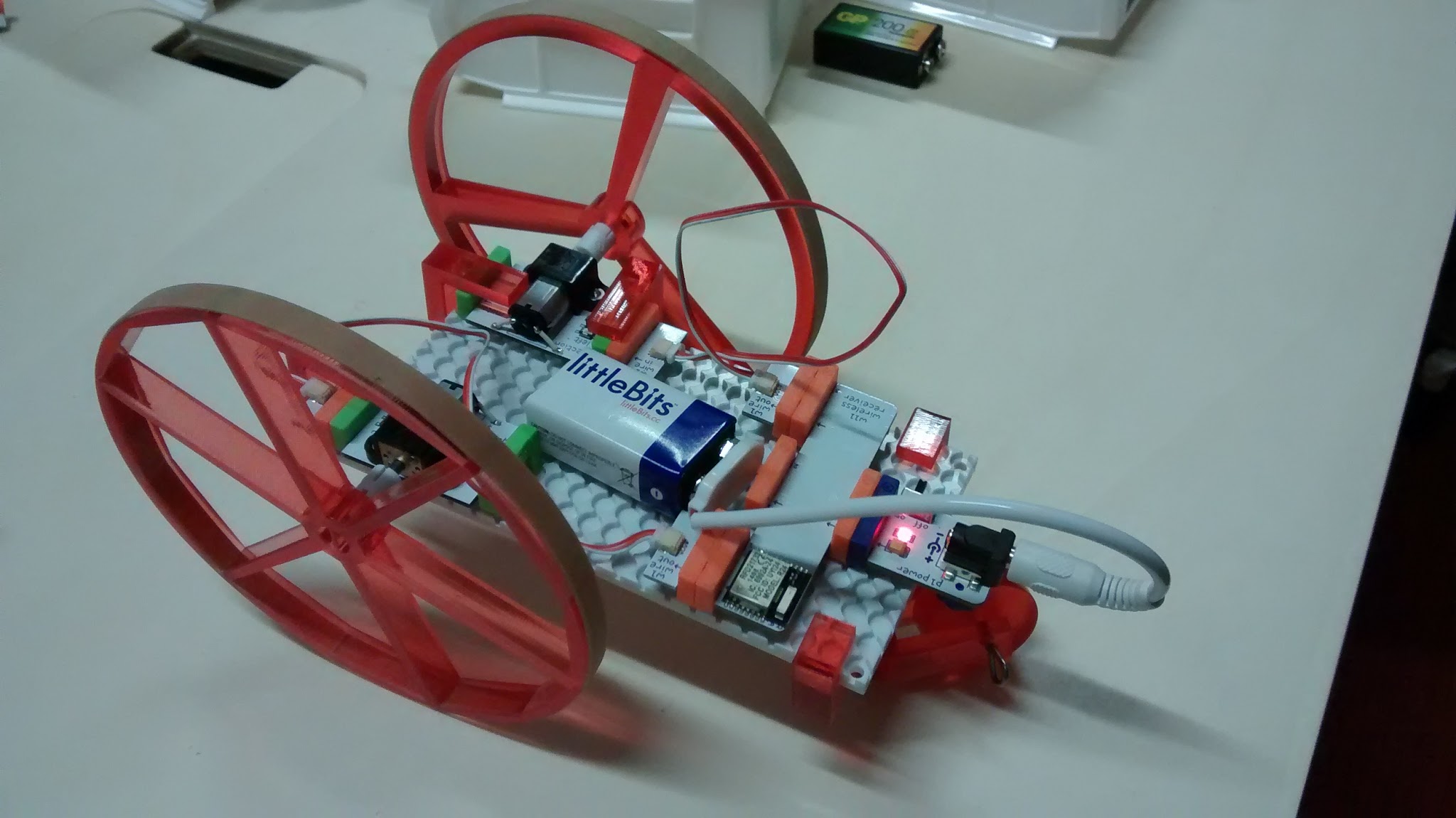
Read more »Enjoyed tinkering with LittleBits last evening at the Internet of Things / Open Hardware meetup of RDM Makers and made this remote controlled robot: The schematic is more or less like this: Which shows that power is provided to a Wireless Receiver, which has 2 of its 3 channels connected to the two DC Motors (driving the big wheels). The careful observer will notice some bugs in the schematic representation due to cut-and-paste.
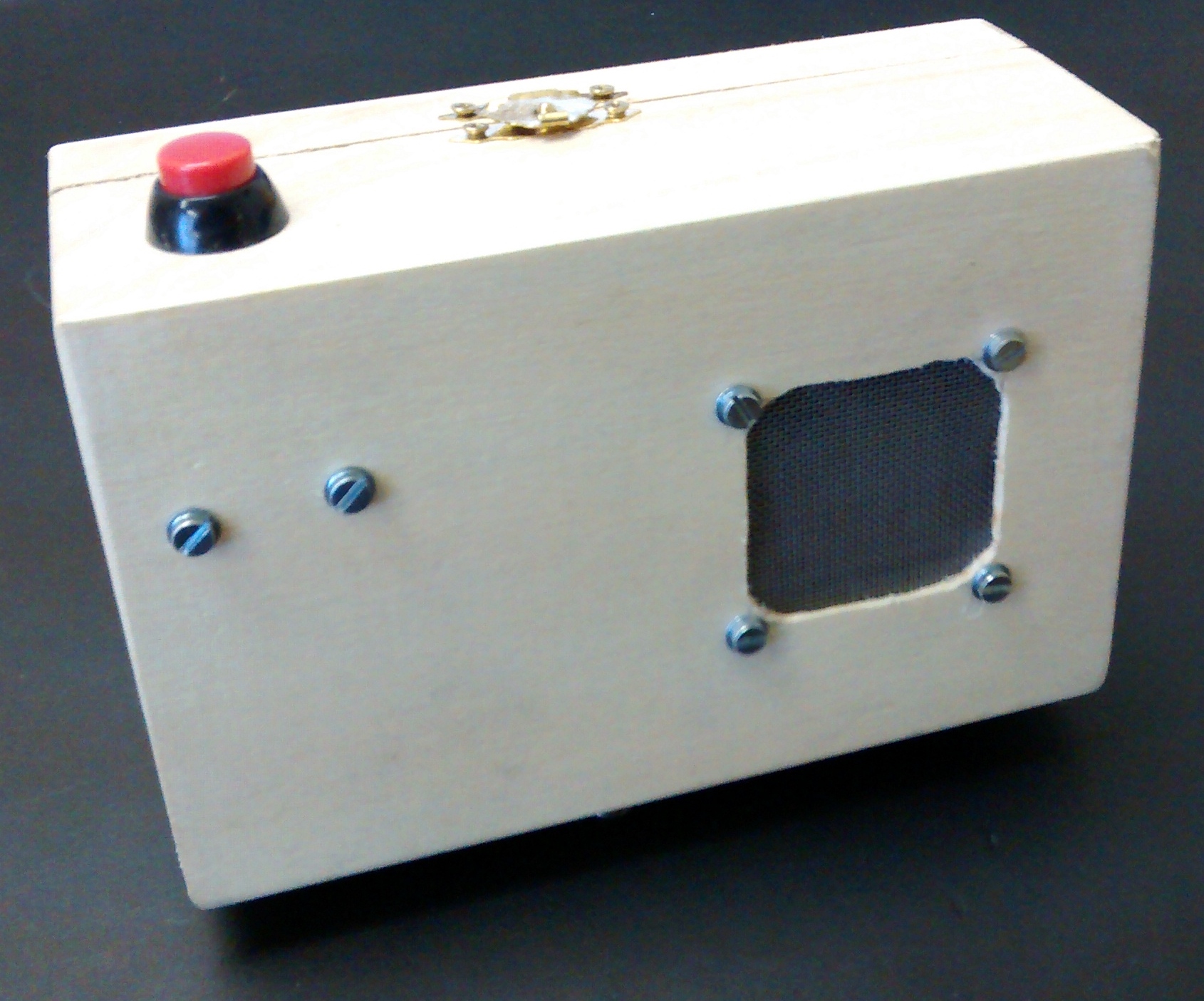
Read more »I plan to do some more soldering in the near future, to experiment with the Internet of Things (IoT). So I checked my equipment for completeness and of course found some stuff desirable. One of them was the The fumeFan to remove the smoke and noxious fumes from soldering. But instead of buying a solution, it would of course be better to Do It Yourself (DIY). Well, it just happened to be that Google and/or YouTube showed me a link to How to: Candy tin fume extractor and it seemed simple enough for me to try and build.
Read more »When I started working with the excellent gae-init framework in the last quarter of 2013, I noticed some “Could not guess mimetype warnings for .ttf files” warnings/notifications while uploading my test application to the Google App Engine (GAE) servers. Looking around, I found that it is possible to specify the mime type for these kind of files. However, due to lacking standardization, there are different mime type options suggested for these TrueType Font (.
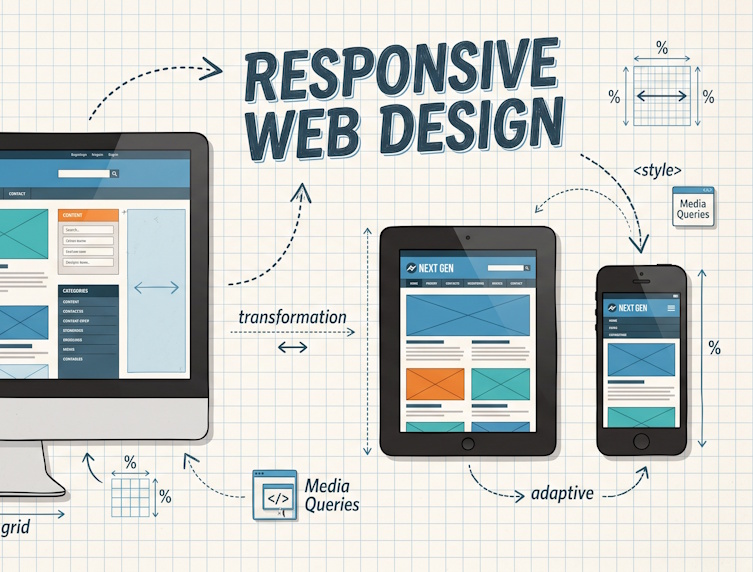
Read more »While updating our website, we have added so called “responsiveness” to it using Bootstrap 3.0 and applying different grid system settings to make sure it adapts to the device on which the website is used. That is a lot of geek talk to say that users get a layout that matches their device. That is: mobile phone users get the information stacked while desktop users (with a wide screen browser) may see the same information presented in columns next to each other.
Read more »We’ve added internationalization (i18n) hooks to mdxs.net using parsing of Accept-Language, cookies, and optional arguments for browsing. Together this will make it possible to help serve different audiences in their own language (initially Dutch and English). Implementation For the implementation, using Python in Google App Engine (GAE), we added Babel and PyTZ to the project. To help translation, we started coding text strings such that they can be automatically extracted from templates and code (using pybabel).
Read more »