
Process Data from ThingSpeak
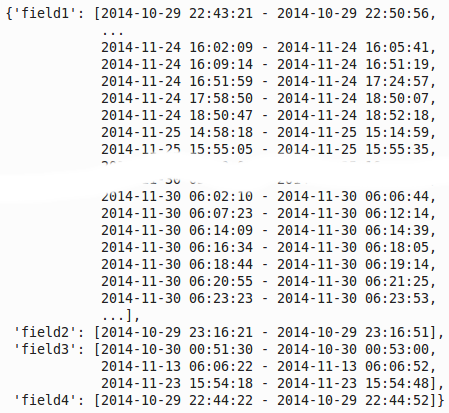
With the ThingSpeak API you can also download the collected data for further processing. I’ve used this to extract timeline data; mainly for visualization purposes. Though it would also allow for storing (summary) data into a database of sorts, or perhaps even into another channel.
Data Collection using ThingSpeak
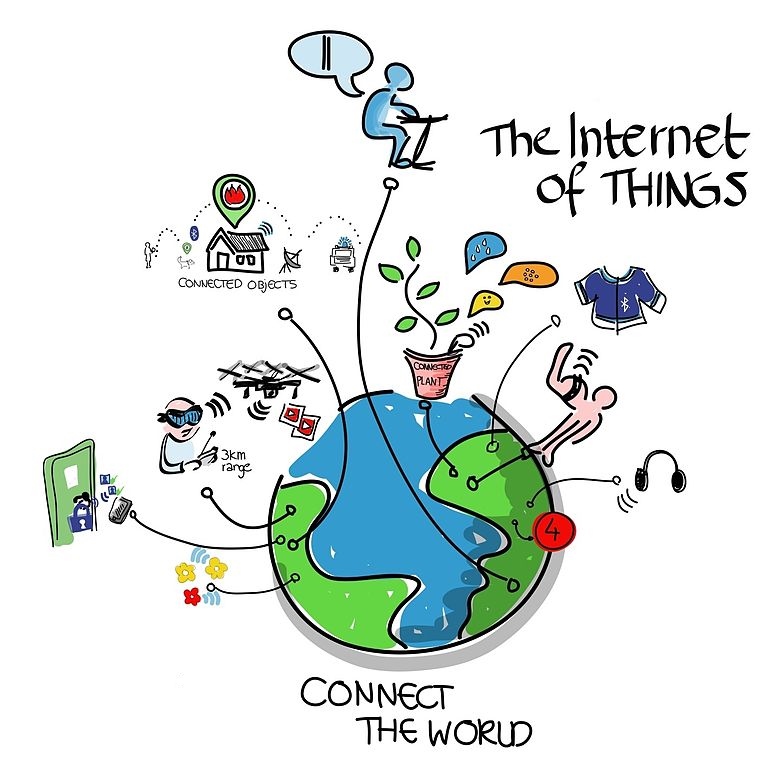
In the Internet of Things (IoT), the things can be many different devices; typically based on uniquely identifiable embedded computers/processors that are not directly operated by people. Interconnected over the existing internet infrastructure, these things will push automation further in almost every domain. Communicating with people and amongst each other; they will aid monitoring and decision making processes. When possible/desirable they may even make autonomous decisions based on predetermined rules or even self learning algorithms.
Read more »Checking font files bandwidth usage (on GAE)
When I started working with the excellent gae-init framework in the last quarter of 2013, I noticed some “Could not guess mimetype warnings for .ttf files” warnings/notifications while uploading my test application to the Google App Engine (GAE) servers. Looking around, I found that it is possible to specify the mime type for these kind of files. However, due to lacking standardization, there are different mime type options suggested for these TrueType Font (.
Read more »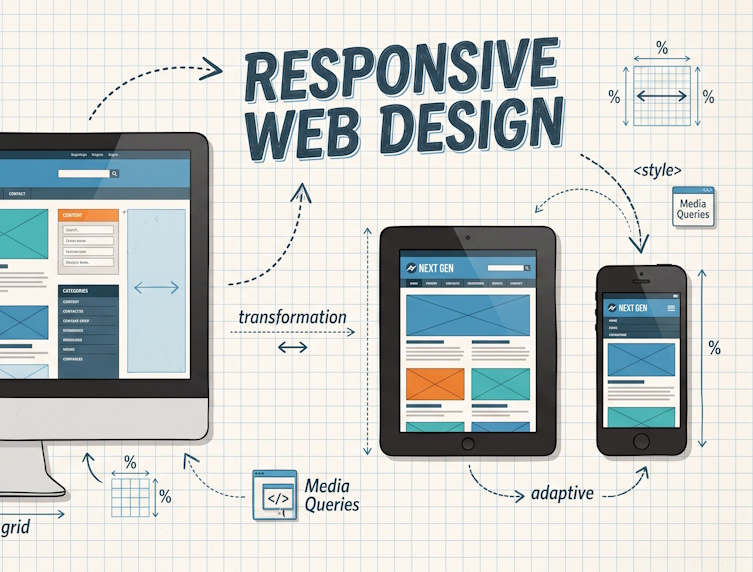
Adding Responsiveness
While updating our website, we have added so called “responsiveness” to it using Bootstrap 3.0 and applying different grid system settings to make sure it adapts to the device on which the website is used. That is a lot of geek talk to say that users get a layout that matches their device. That is: mobile phone users get the information stacked while desktop users (with a wide screen browser) may see the same information presented in columns next to each other.
Read more »Internationalization (i18n)
We’ve added internationalization (i18n) hooks to mdxs.net using parsing of Accept-Language, cookies, and optional arguments for browsing. Together this will make it possible to help serve different audiences in their own language (initially Dutch and English). Implementation For the implementation, using Python in Google App Engine (GAE), we added Babel and PyTZ to the project. To help translation, we started coding text strings such that they can be automatically extracted from templates and code (using pybabel).
Read more »